In a world where mobility means everything, choosing the right backpack size can make all the difference in how you experience your next journey. Whether you’re commuting to work or planning a hiking adventure, understanding backpack sizes and how they relate to your specific needs matters.
At LOJEL, we believe that thoughtfully designed backpacks should simplify movement while adapting to the diverse ways we travel.
What Are the Dimensions of a Standard Backpack?
Backpack sizes typically fall into four main categories. To make an informed decision, use the backpack size guide below as a reference:
Small/Everyday (15-25 liters)
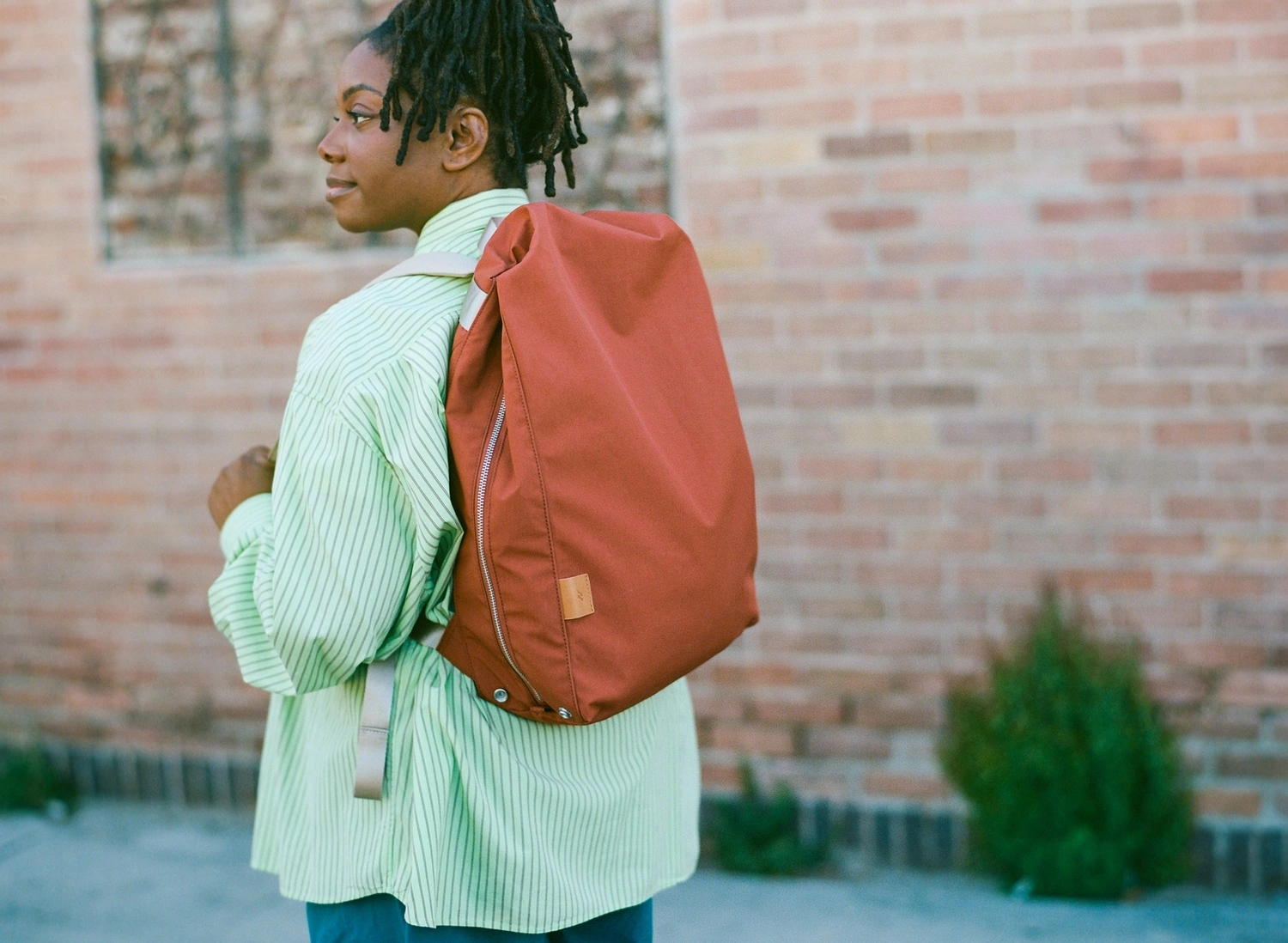
Perfect for daily carry, these compact backpack sizes offer enough space for essentials. Our Niru Daypack Mini, for example, exemplifies this category with a lightweight profile that doesn’t sacrifice functionality.
Medium (25-40 liters)
These versatile backpack sizes bridge the gap between everyday use and short trips. With expanded capacity for extra clothing or gear, medium backpacks like the Niru Journey Pack provide flexibility for both work commutes and weekend getaways.
Large (40-55 liters)
Designed for multi-day adventures, a large backpack offers substantial space for clothing, equipment, and supplies. These types of backpacks are the preferred choice for backpackers and travelers who need to carry more while maintaining reasonable mobility.
Extra-Large (55+ liters)
Expedition-grade backpacks are built for extended journeys where carrying capacity is a must. While spacious, they require consideration of weight distribution and proper fit.
Understanding Backpack Dimensions
The term “backpack dimensions” refers to the physical measurements that define a backpack’s external footprint. Typically expressed as height × width × depth in inches or centimeters, the below measurements provide a concrete picture of how a backpack will fit on your body and in various spaces.
Backpack Size Chart: Typical Dimensions by Category
| Category | Volume (Liters) | Typical Dimensions (H×W×D) |
| Small | 15-25 | 16-18″ × 11-12″ × 5-7″ |
| Medium | 25-40 | 18-20″ × 12-14″ × 7-9″ |
| Large | 40-55 | 20-22″ × 13-14″ × 9-11″ |
| Extra-Large | 55+ | 22″+ × 14″+ × 11″+ |
The above measurements serve as a general backpack size chart, though specific measurements vary between manufacturers and designs. Our approach at LOJEL focuses on maximizing functional space while maintaining clean, minimal silhouettes for on-the-go versatility.
How Are Backpacks Measured?
Understanding how backpack sizes are calculated helps you make better comparisons between different models. The two primary measurement systems include the below:
Volume Measurement
Most commonly expressed in liters, volume represents the total carrying capacity of the main compartment and pockets combined. When browsing any backpack size guide, remember that this measurement indicates how much you can pack inside.
External Dimensions
The physical backpack dimensions (height, width, depth) determine how the bag looks on your body and whether it meets specific requirements like airline carry-on restrictions. Measurements like these are particularly important when considering a travel daypack that needs to fit in overhead bins or under seats.
Unlike many manufacturers who focus solely on maximizing volume, our design philosophy at LOJEL emphasizes balanced backpack dimensions that enhance comfort and accessibility without compromising on capacity.
What Size Backpack Fits Under Most Airline Seats?
For frequent travelers, finding a backpack that fits underneath an airplane seat is crucial. While dimensions vary between airlines, an average backpack size that fits under most seats typically measures around 17″ × 13″ × 8″ (43 × 33 × 20 cm).
Compact sling pouches like the Eblo are specifically designed for with these travel constraints. When selecting a backpack for air travel, consider that flexible, soft-sided designs often adapt better to tight spaces than rigid ones.
Choosing the Right Backpack Size for Your Needs
Selecting appropriate backpack sizes depends on several of the below factors:
Duration of Use
For daily carry, smaller backpack dimensions (15-25 liters) typically work. For overnight or weekend trips, medium sizes (25-40 liters) offer better versatility.
Activity Type
Different activities demand different types of backpacks. A compact daypack works for urban exploration, while hiking might require a larger capacity with specialized features.
Body Proportions
The ideal backpack size should complement your physique. Taller individuals may comfortably carry larger backpacks, while shorter frames might find mid-sized options more balanced.
Load Weight
Consider not just volume, but how much weight you’ll typically carry. Even the most thoughtfully designed large backpack can feel uncomfortable if packed improperly or overloaded.
Seasonal Considerations for Backpack Sizes
The optimal backpack size you use can often change with the seasons. This is a factor rarely addressed in standard backpack size charts.
For example, winter travel typically requires more volume than summer journeys due to:
- Bulkier clothing
- The need for additional layers
- Sometimes carrying specialized gear
For summer daily carry needs, compact backpack dimensions (15-20 liters) usually provide sufficient space for essentials like a water bottle, lightweight jacket, and personal items. These smaller backpack sizes perfectly complement this seasonal shift and offer just enough room for warm-weather necessities.
As temperatures drop, consider scaling up your backpack size by 5-10 liters to accommodate thicker clothing and weather-specific accessories. Winter commuters might find that a medium-sized backpack (25-35 liters) offers the versatility needed for carrying additional layers without compromising on essential everyday functionality.
For those living in regions with dramatic seasonal changes, invest in multiple types of backpacks sized for different weather conditions. This will ensure you year-round comfort and practical utility for an on-the-go lifestyle.
Making Sustainable Choices in Backpack Selection
By choosing the right backpack size, you avoid excess consumption while ensuring your bag serves its purpose efficiently.
At LOJEL, sustainability guides our approach to designing products you can use every day.
Our collections emphasize durable materials and designs that transition seamlessly between different contexts. This philosophy of “less but better” means your backpack remains relevant for years and reduces the environmental impact of frequent replacements.
Knowing the different backpack dimensions available empowers you to make choices that enhance your mobility rather than hindering it. Whether you need a compact companion or a spacious carrier, having our backpack size guide helps navigate the numerous options available.